
The Most Dangerous Person on the Mat, by Daniel Brasse
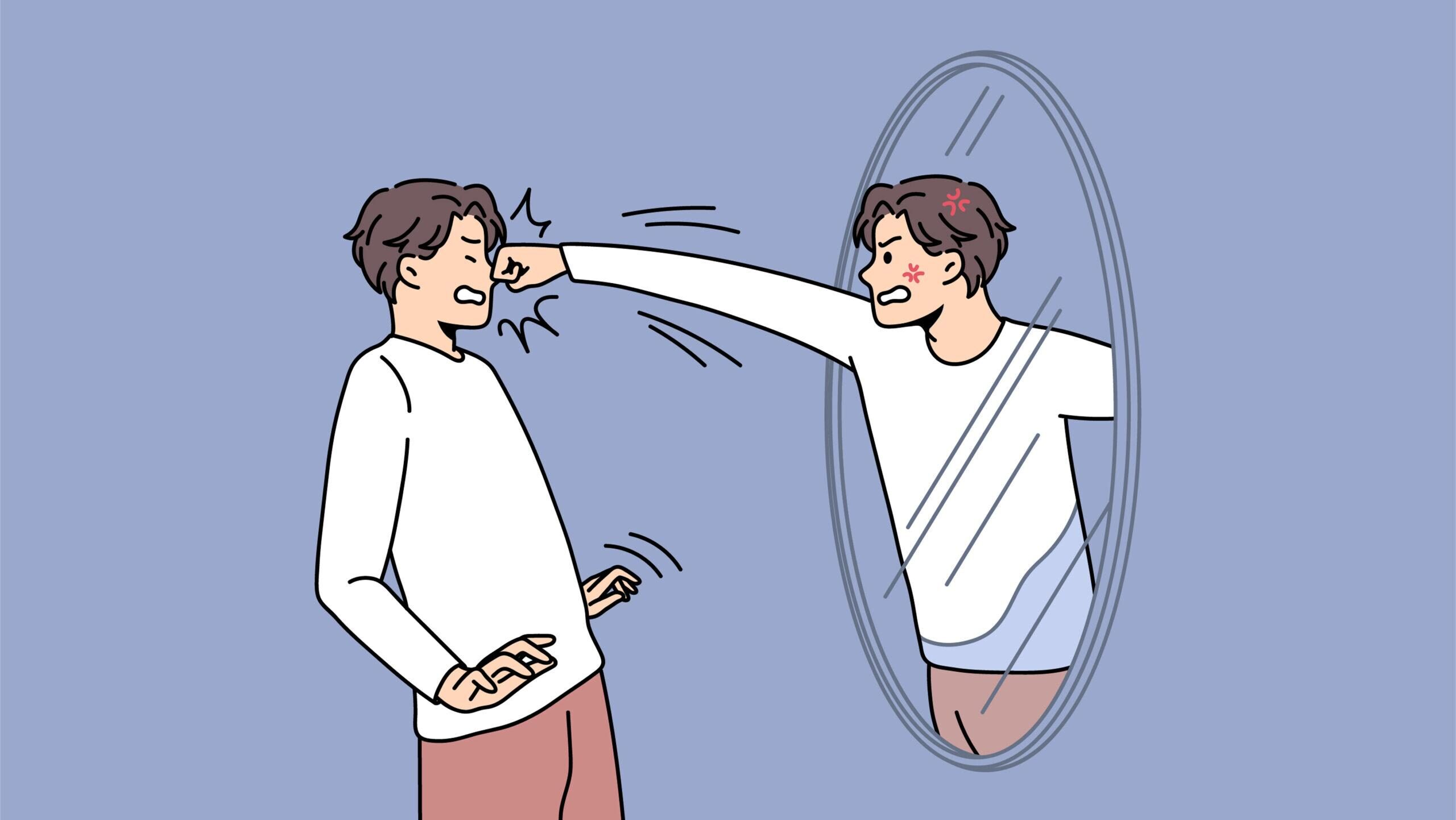
Every time we step onto the mat, we face the most dangerous opponent we will ever encounter.
This person knows our strengths and weaknesses. They know our fears, insecurities, and blind spots. They can damage relationships, sabotage opportunities, create financial problems, lead us into conflict, and make choices that we later regret.
That person is ourselves.
One of the greatest lessons I have learned through Aikido is that the real battle is rarely with the person standing in front of us. The real battle is with our own reactions, habits, emotions, and ego.
We cannot control everything that happens around us. We cannot control what people say, how they behave, or the challenges life places in our path. What we can control is how we respond.
That sounds simple, but anyone who has trained seriously knows it is not easy.
Changing deeply rooted patterns requires effort. It requires honesty. It requires us to look at ourselves without excuses. In many ways, Aikido is not about defeating others. It is about overcoming the parts of ourselves that create conflict.
Life is made up of small moments.
Someone cuts us off in traffic.
A coworker criticizes us.
A family member says something hurtful.
A student resists our instruction.
In each of these moments, we have a choice.
We can react with anger, resentment, or judgment. Or we can pause, take a breath, and choose a different response.
At the dojo, we often experience the same thing. When a technique does not work, it is easy to think that our partner is resisting, blocking, or making things difficult. But often we are simply running into our own force. Our own tension. Our own need to be right.
Our training partner becomes our mirror.
The mat has a way of revealing things we would rather not see.
Many people go through life unaware that their perceptions, habits, and emotional reactions have been conditioned over years, sometimes decades. Others recognize that change is possible and genuinely want to improve themselves.
But wanting to change and actually changing are two very different things.
We may want peace, yet become impatient when someone moves too slowly.
We may want harmony, yet lose our temper when things do not go our way.
We may want compassion, yet judge others harshly.
These moments of inner conflict are not signs of failure. They are opportunities for growth.
Aikido teaches us to notice these moments. To become aware of them. To study them.
The goal is not to suppress our emotions or pretend they do not exist. The goal is to understand them so they no longer control us.
Anyone can learn techniques that prevent them from acting on anger. But learning not to become angry in the first place is a much deeper practice.
How many poor decisions are made in moments of fear, jealousy, pride, frustration, or resentment?
How many relationships suffer because we react before we understand?
How many conflicts grow because neither person is willing to look within?
Aikido offers a different path.
Through training, we gradually learn to calm the mind, soften the ego, and develop greater awareness of ourselves. We learn to move through conflict without being consumed by it. We learn to act with clarity rather than impulse.
The founder of Aikido spoke often about peace. But true peace does not begin somewhere out there. It begins within.
How can we create harmony with others if we are constantly at war with ourselves?
The more I train, the more I believe that Aikido is a lifelong process of self discovery. We may never completely eliminate inner conflict. We may never reach a state of perfect harmony.
But we can improve.
We can become a little more patient.
A little more compassionate.
A little less reactive.
A little more aware.
And perhaps that is enough.
Because when we learn to stop fighting ourselves, we become better equipped to stop fighting everyone else.